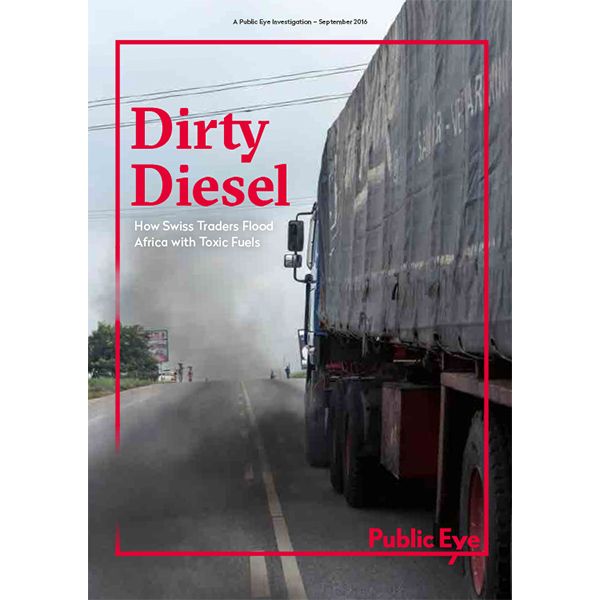

10 years of Dirty Diesel: A campaigning success and a political warning
Oliver Classen, September 15, 2026
 ©
Mark Henley
©
Mark Henley
The three-year investigation built on the landmark Probo Koala scandal of 2006, when toxic waste from a tanker chartered by the Swiss commodities giant Trafigura was dumped in the middle of Abidjan, a city in Côte d'Ivoire. Tens of thousands of people suffered poisoning at the time; a UN report later counted 17 deaths. Our question followed naturally: Was this worst-case scenario for the commodity sector an isolated incident, or a symptom of a toxic business model?
Public Eye showed that companies including Trafigura, Vitol and Addax & Oryx were all importing and selling diesel and petrol with excessive sulphur content in West Africa, while also producing these fuels themselves back in Europe. They did this through a process known as “blending,” which took place in the industrial zone often known as ARA (Amsterdam-Rotterdam-Antwerp). These fuels are cynically known in the industry as “African Quality” or even “Jungle Juice” and are illegal in Europe. But in some countries around the world, the permitted limits allowed up to 1,000 times more sulphur than in the EU. What’s perhaps most insidious is that the Swiss companies used low-sulphur crude oil from the very same oil-producing countries to which they – after processing the oil in Europe – re-exported their inferior products, often whilst still taking advantage of state subsidies.
An iconic campaign against sulphur levels
The health consequences of exposure to these products are severe: sulphur and other pollutants such as benzene contribute significantly to air pollution in West Africa’s urban centres and increase the risk of respiratory diseases, including lung cancer. To gather evidence, Public Eye conducted field research and took samples in eight countries at petrol stations that were either partly owned by the companies concerned or supplied by them. An analysis of 25 diesel samples found sulphur levels up to 378 times higher than those permitted in Switzerland. Leading media outlets such as SRF, RTS and the British newspaper The Guardian picked up the investigation and brought the scandal to international attention.
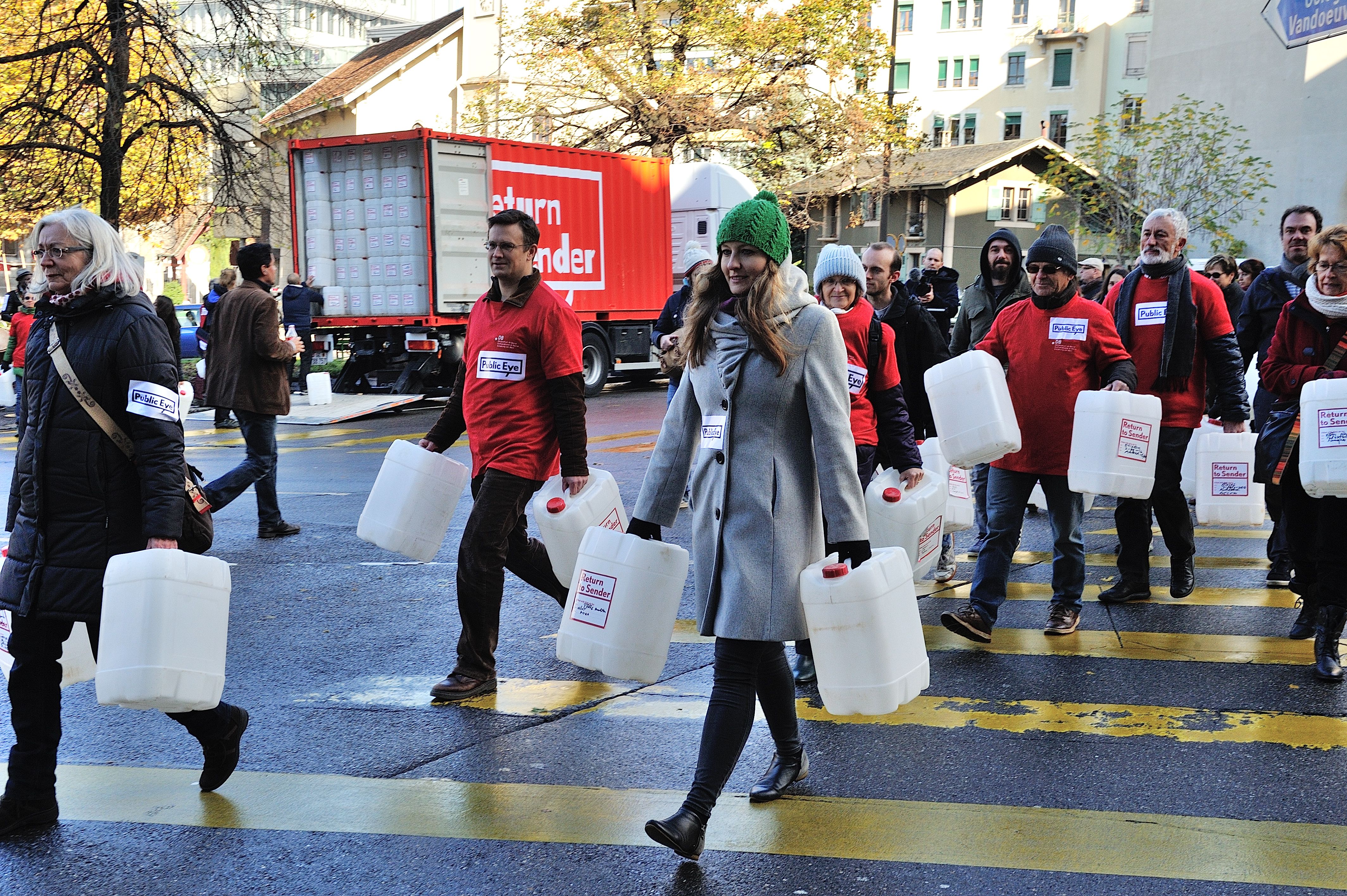
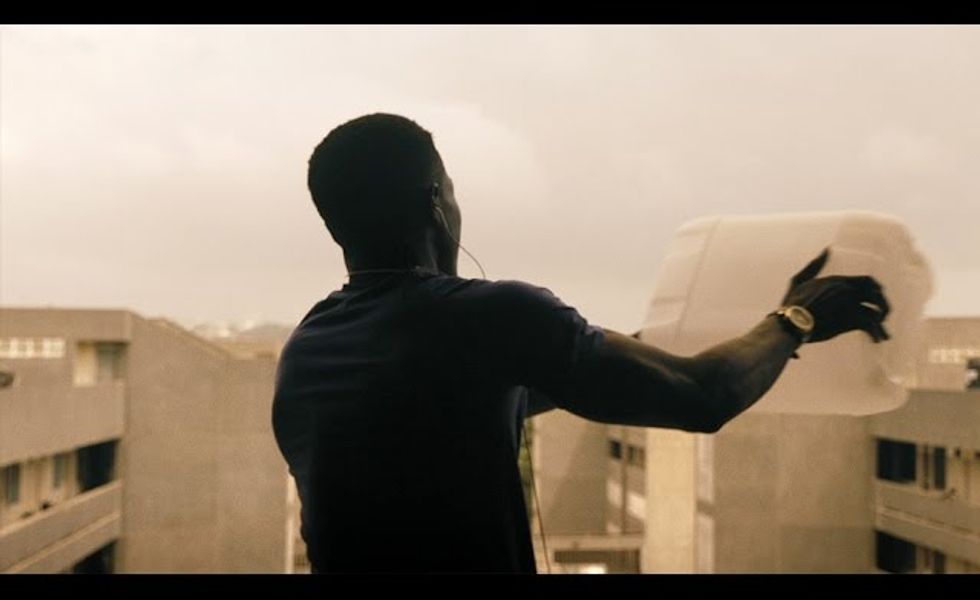
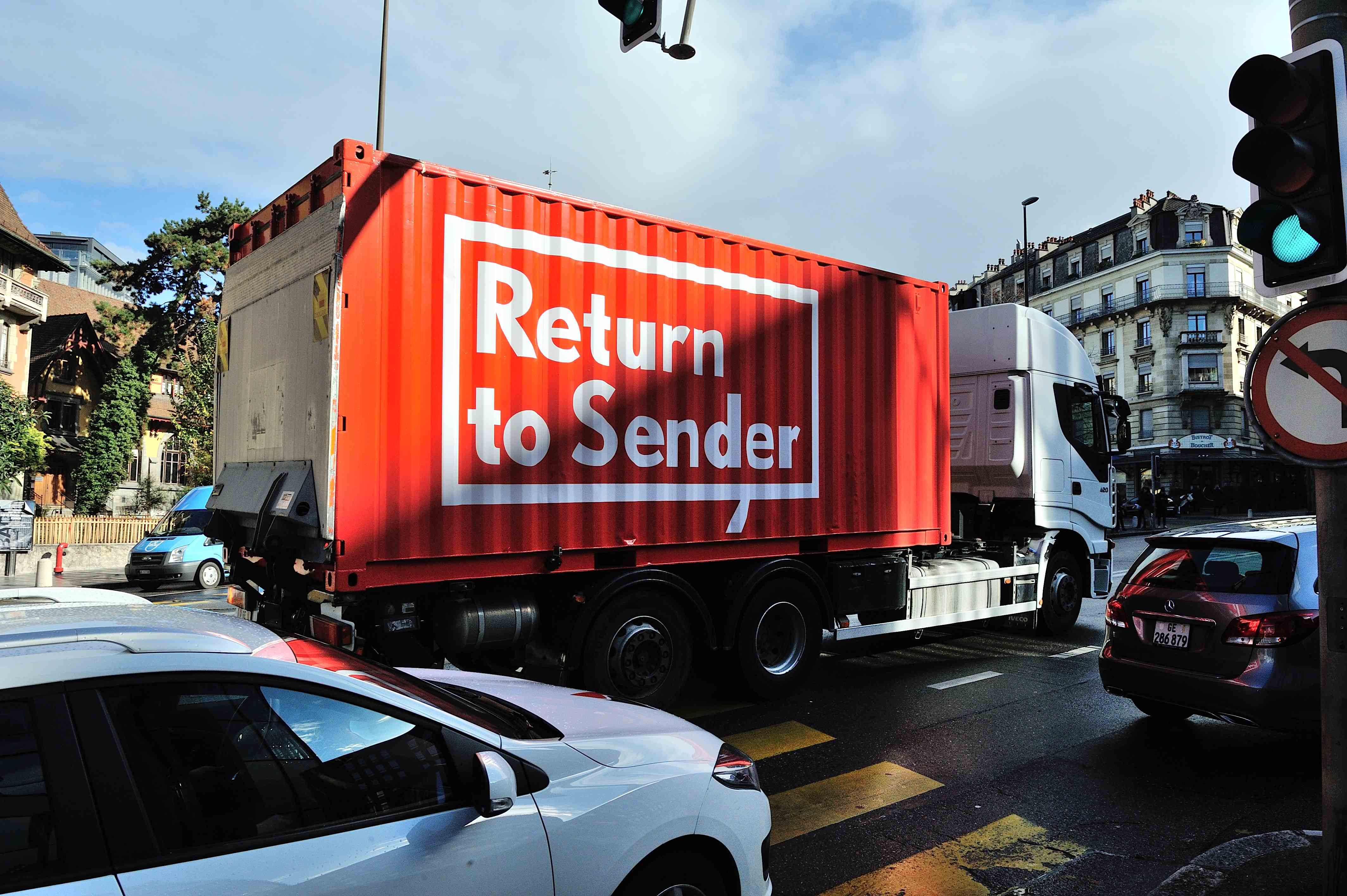
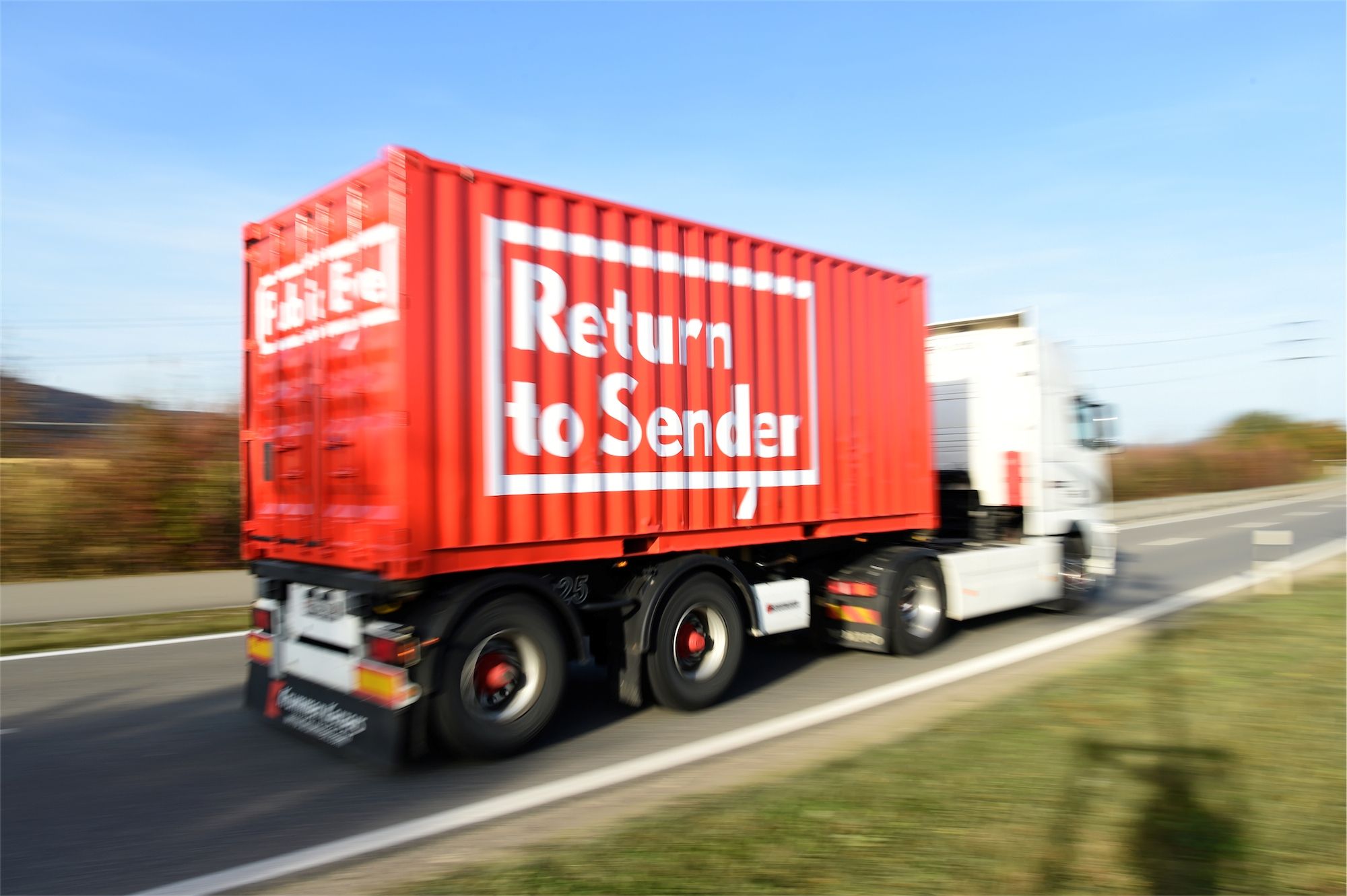
The shocking findings formed the basis for a campaign that was almost as elaborate as the investigation itself. Under the slogan “Return to Sender”, Public Eye and its West African partner organisations brought a shipping container from Accra, in Ghana, to the shores of Lake Geneva, passing through the Belgian port of Antwerp along the way. Inside were canisters of dirty air collected by residents of the Ghanaian capital.
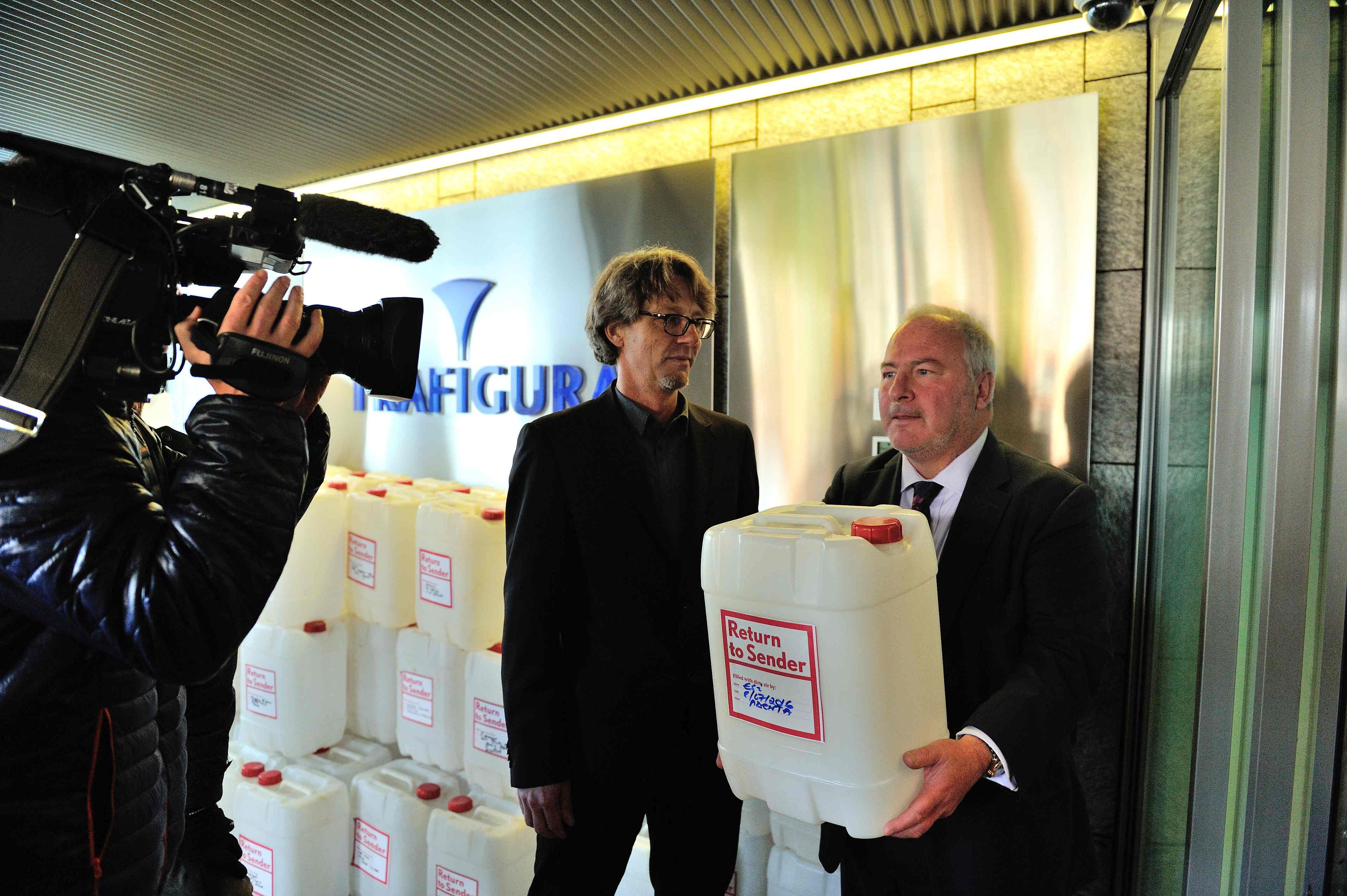
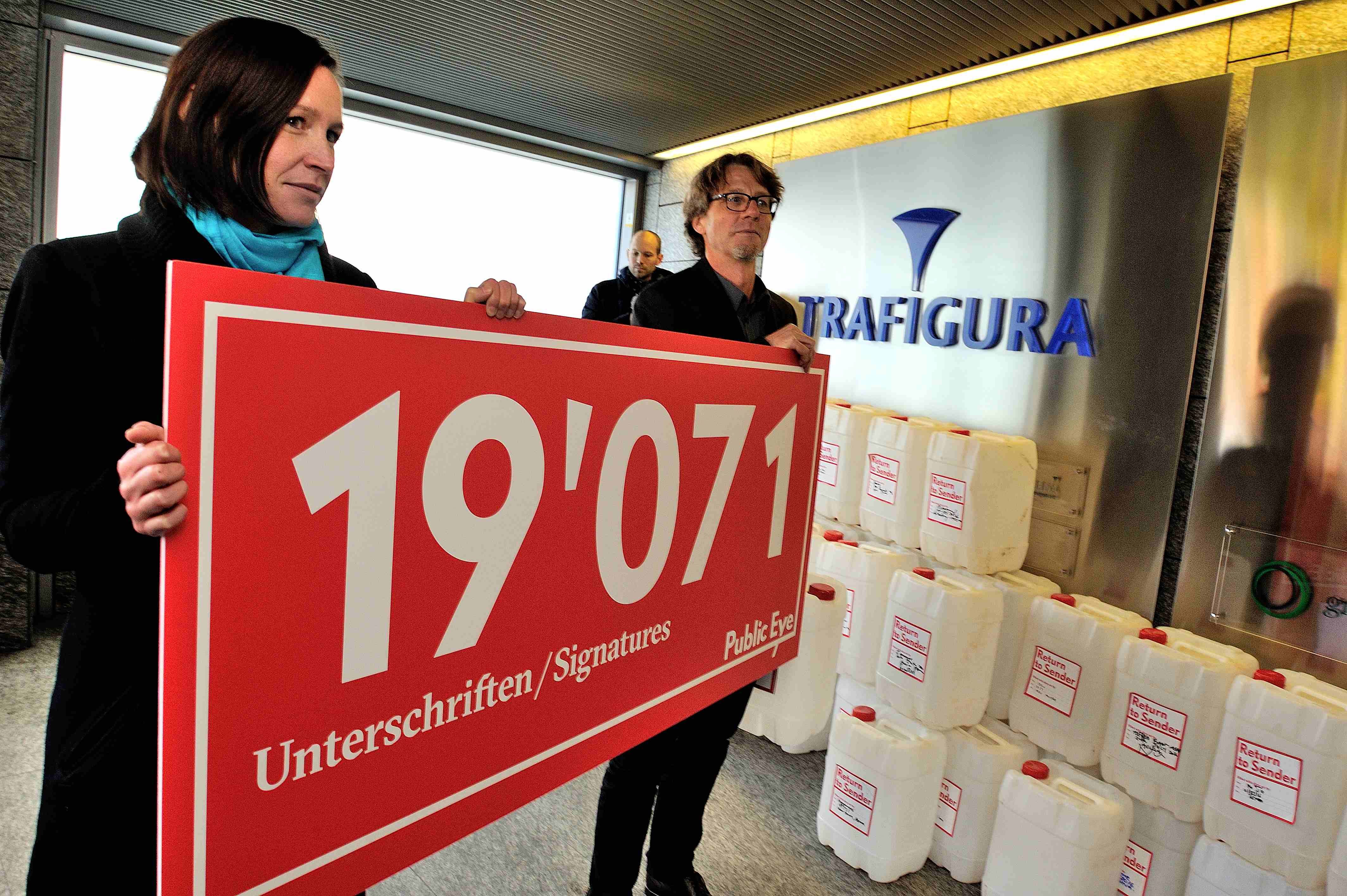
After a two-month journey, the container was deposited outside Trafigura’s Geneva offices, accompanied by activists and a petition bearing almost 20,000 signatures. The petition called on Trafigura to only sell fuels in Africa that meet European standards. The campaign also had an important side effect for us: it helped facilitate our name change from the Berne Declaration to Public Eye. We still believe the shift was effective and convincing.
-
 ©
Mark Henley/Panos Pictures
©
Mark Henley/Panos Pictures
-
 ©
Mark Henley/Panos Pictures
©
Mark Henley/Panos Pictures
-
 ©
Mark Henley/Panos Pictures
©
Mark Henley/Panos Pictures
-
-
Affected countries tighten their limits
The companies we had called out responded evasively, if at all. Trafigura pointed to the legality of its business practices and shifted the responsibility entirely onto African governments; Vitol, Glencore, Addax & Oryx and Mercuria also continued to put profits before people’s health. The scandal further damaged the commodity sector’s already poor image and exposed the major reputational risk it posed for Switzerland. At the same time, the Dirty Diesel investigation played a key role in helping the first Responsible Business Initiative bring the commodities sector – with its particularly problematic human rights record – into the political spotlight. In response, parts of the industry began to professionalise their communications, for example through sustainability reports, lobbying associations and pseudo-transparency initiatives.
Public pressure also had an impact in the affected countries: Ghana announced a drastic reduction in sulphur content at the end of 2016; Nigeria, Benin, Togo and Côte d’Ivoire followed. The new legal maximum was set at 50 ppm, down from 3,000 or even, in the most extreme contexts, 10,000 ppm. From 2021, the Economic Community of West African States (ECOWAS) decided to introduce the 50 ppm limit for all imported fuels. Even in Europe, regulations finally began to shift: in the Netherlands, the production and export of particularly high-sulphur diesel and petrol were completely banned in 2023. Belgium followed suit soon afterwards.
Yet these measures can still be circumvented. Investigations by Source Material showed at the end of 2024 that the production and export of Dirty Diesel had simply shifted to other European countries. This “regulatory waterbed effect” occurs when pressure in one place simply displaces the problem elsewhere. New blending centres emerged in countries such as Spain and Latvia. The reaction underlines the need for an EU-wide ban. Implementation also remains weak in West Africa: studies in Nigeria found that fuels imported there still clearly exceeded the new legal limits. The causes are inadequate regulation and an even weaker oversight of commodity traders. Despite criticism from the UN, their business model remains as toxic as the health risks it creates for the population.
 ©
Fabian Biasio
©
Fabian Biasio
Switzerland shirks its political responsibility
And as for Switzerland? The home of Trafigura and others has remained inactive despite repeated parliamentary initiatives. The Federal Council continues to profess a naive expectation that Swiss companies will act responsibly and comply with national laws, while pointing, almost as if repeating a mantra, to a lack of powers and instruments available for regulation. The government has long recognised the regulatory gap itself, but remains determined not to close it, for example through installing a commodity market supervisory authority. International pressure is growing, however: most recently, Dutch authorities and, later, the association of African car dealers protested – the latter of these joining in notably because toxic fuels damage engines and catalytic converters, in addition to people’s health.
Dirty Diesel is therefore both a success story and a cautionary tale. Through innovative research and an iconic campaign, Public Eye helped secure international attention for a serious problem, stricter sulphur limits in West Africa and export bans in European countries. At the same time, loopholes remain, implementation is still faltering in many places, and Switzerland continues, despite knowing better, to forgo implementing effective rules for its commodity hub. The Swiss Federal Council’s current counter-proposal to the second Responsible Business Initiative also leaves this high-risk sector out of the picture. In a recent consultation, Public Eye submitted a concrete proposal for improvement. Nonetheless, so-called “jungle Juice” remains a particularly egregious example of the painful double standards in this industry. A decade later, it continues to be the Achilles heel of Switzerland’s increasingly important – both economically and geographically – commodity trading sector.